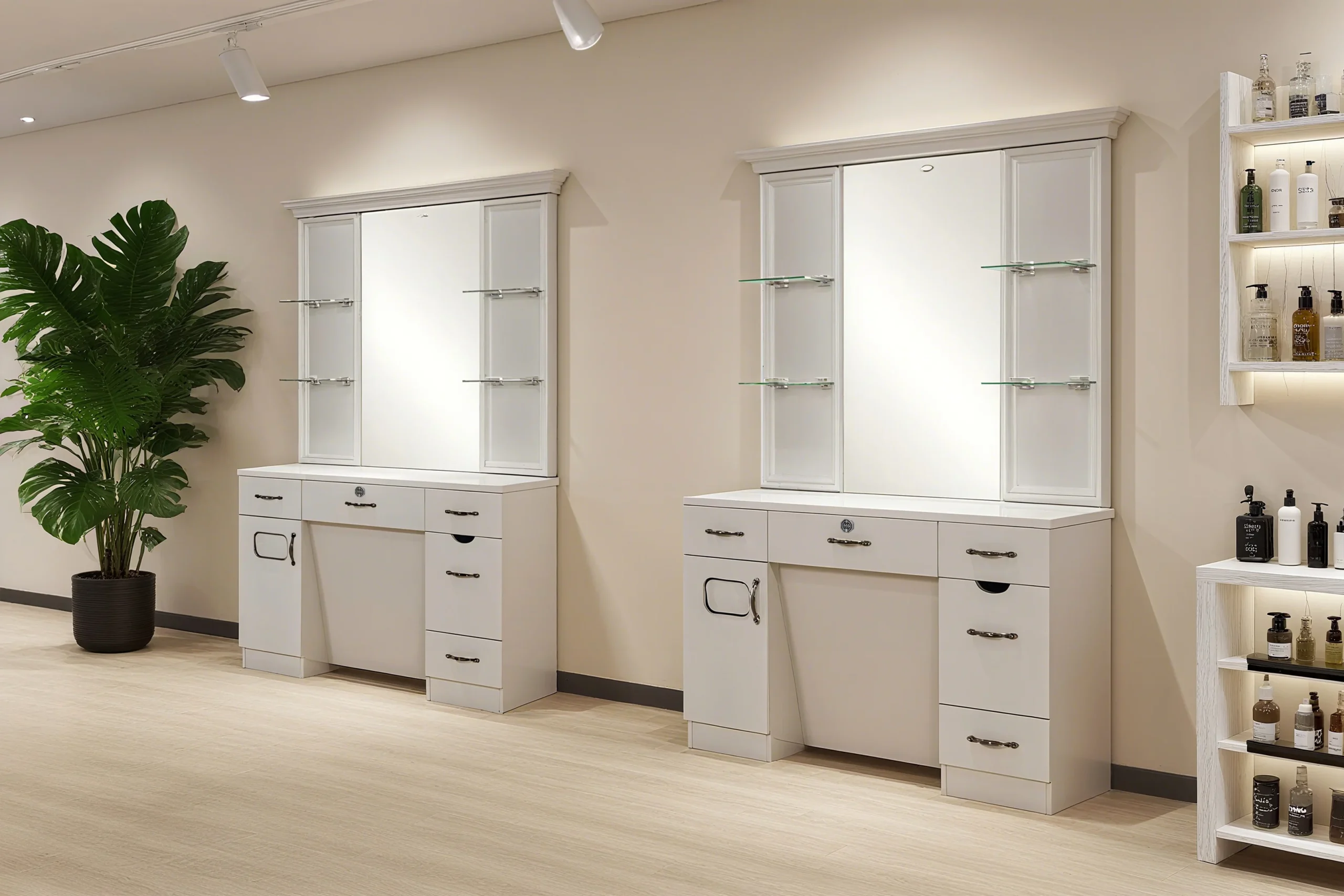
Professional Office Cleaning Keeps Workplaces Organized Safe And Welcoming
 Owen
Owen A well-maintained office creates an environment where productivity thrives. Professional office cleaning services go beyond basic tidying by implementing systematic approaches that keep workspaces orderly. By regularly addressing clutter, dust, and disorganization, these services help employees focus on their tasks without distractions, promoting efficiency and a sense of calm throughout the office.
Key organizational benefits include:
- Clear and uncluttered work surfaces
- Well-arranged office supplies and materials
- Streamlined storage solutions for easy access
- Consistent upkeep of common areas and meeting rooms
Maintaining organization not only improves workflow but also fosters a professional and approachable image for visitors and clients. Businesses contract Office Cleaning Ottawa to maintain consistent cleanliness throughout the week.
Prioritizing Safety and Health

Clean workplaces are safer workplaces. Professional cleaning services target areas where germs and bacteria can accumulate, reducing the risk of illnesses and minimizing sick days. High-touch surfaces, restrooms, and shared equipment are disinfected regularly, helping maintain a healthy office environment. Proper cleaning techniques also reduce hazards like slips, trips, and falls caused by debris or spills.
Safety-focused practices often include:
- Sanitizing high-contact surfaces and communal spaces
- Proper disposal of waste and recyclable materials
- Regular floor maintenance to prevent accidents
- Monitoring air quality and reducing dust accumulation
These measures protect employees and visitors alike, making the office a secure and welcoming environment for everyone.
Creating a Welcoming Atmosphere
First impressions matter. A clean and organized office immediately communicates professionalism and care. Visitors, clients, and staff alike notice the effort put into maintaining a pristine environment, which fosters trust, satisfaction, and comfort. Professional cleaning ensures that lobbies, meeting rooms, and workstations consistently present an inviting appearance.
Key features of a welcoming office include:
- Fresh and well-maintained floors and carpets
- Spotless windows and surfaces that reflect attention to detail
- Pleasant and neutral scents in shared spaces
- Consistent tidiness in reception and common areas
A welcoming atmosphere boosts morale, encourages collaboration, and leaves a positive impression on everyone who enters the space.
Supporting Sustainability and Efficiency
Many professional cleaning services incorporate eco-friendly practices that benefit both the environment and the office itself. Using non-toxic cleaning products, energy-efficient equipment, and waste reduction strategies, offices maintain high standards of cleanliness while supporting sustainability goals. These practices also reduce the exposure of employees to harsh chemicals, further enhancing safety and well-being.
Sustainability-oriented cleaning practices include:
- Utilizing environmentally safe cleaning products
- Implementing recycling and waste reduction programs
- Reducing energy use through efficient cleaning equipment
- Promoting green office habits among staff
Long-Term Benefits for Businesses
Consistent professional office cleaning contributes to long-term operational success. By ensuring workspaces are organized, safe, and inviting, businesses create environments where employees feel valued, visitors feel respected, and productivity can flourish. Investing in high-quality cleaning services is more than maintenance it is a commitment to excellence that positively impacts company culture, employee satisfaction, and overall workplace performance.

 That machine didn’t fail because of bad luck. It failed because someone ignored the small stuff for eighteen months, and the valve finally decided to make them pay for it. I’ve walked into too many plants where a $400 valve turned into a $40,000 production stoppage, and every single time, the operator on shift said the same thing: “It was running fine yesterday.” It was not running fine. It was running on borrowed time.
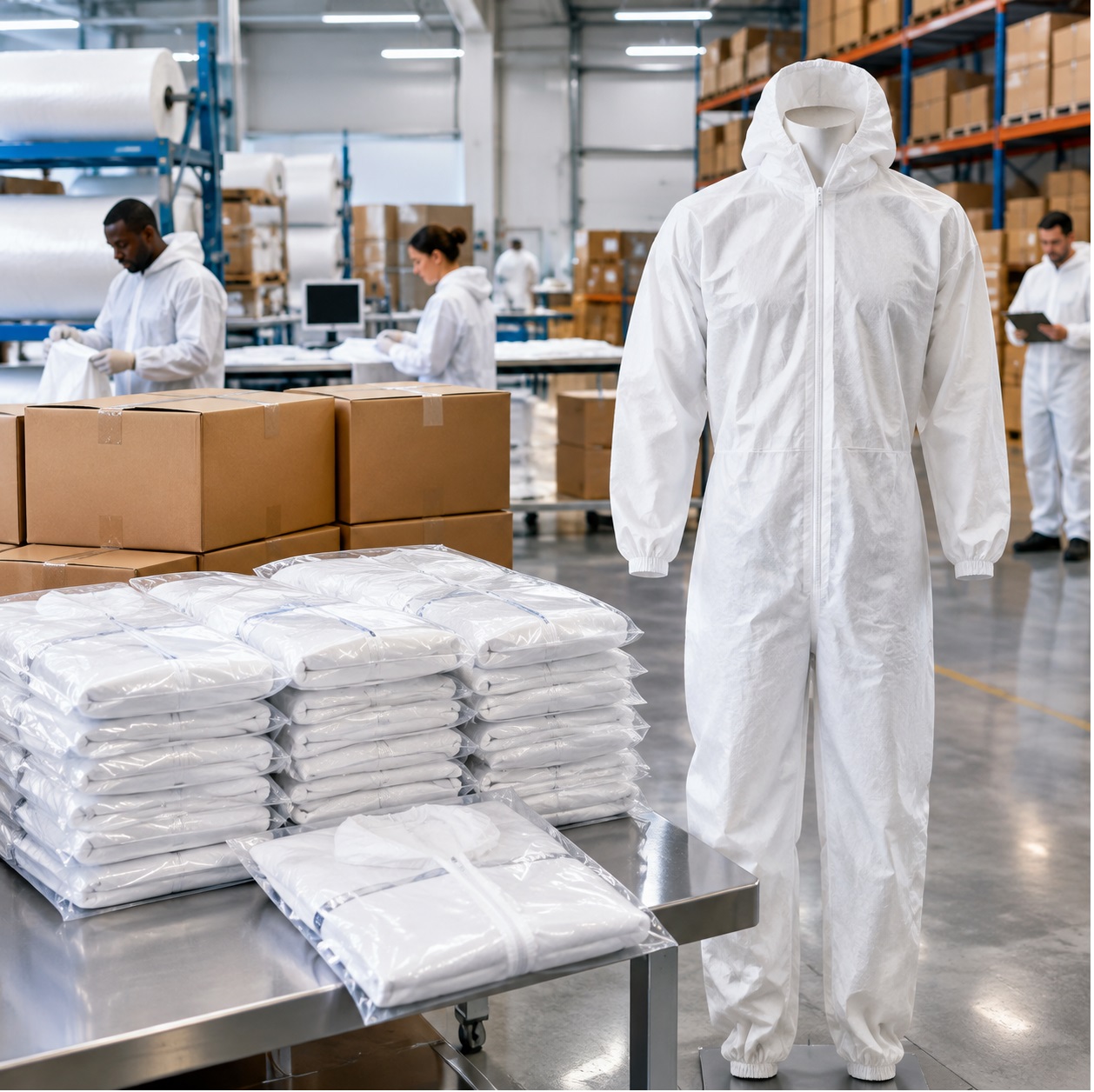 Your last bulk order of coveralls probably looked fine on the invoice. The trouble showed up three weeks later, when zippers started popping mid-shift and half the crew was standing around in split seams and bad moods.